Holiday accommodation
Choosing the right place to stay is one of the most important decisions in any trip. It shapes your budget, your daily routine, and even how much you enjoy the destination itself. Yet holiday accommodation can feel overwhelming for beginners: dozens of categories, confusing pricing, and endless booking platforms all compete for attention. This page explains the main types of accommodation, what each one is best suited for, and how to book wisely, so you can approach your next trip with confidence.
What Is Holiday Accommodation?
Holiday accommodation simply means any place where you sleep and stay during a leisure trip. Unlike business travel, where a functional room near a conference centre may be enough, holiday accommodation is part of the experience itself. A family might prioritise space and a kitchen; a backpacker might value a social atmosphere and a low price; a couple might want a view and a quiet location.
Accommodation usually represents one of the two largest expenses of a trip, alongside transport. That makes it worth understanding the options properly rather than defaulting to the first hotel you find. The right choice depends on four factors: your budget, your length of stay, who you are travelling with, and where you plan to spend your days.
The Main Types of Holiday Accommodation
Hotels
Hotels remain the most familiar option. They offer private rooms, daily cleaning, and services such as reception, breakfast, and sometimes pools or restaurants. They range from budget chains to luxury properties. Hotels are ideal for short stays, city breaks, and travellers who value predictability and convenience over space.
Resorts
Resorts combine accommodation with on-site leisure facilities: pools, restaurants, spa services, and entertainment. Some operate on an all-inclusive basis, where meals, drinks, and activities are bundled into one price. Resorts suit travellers who want to relax without leaving the property, particularly families with children and beach destinations.
Holiday Rentals and Vacation Homes
Platforms such as Airbnb and Vrbo have made private homes, apartments, and cottages a mainstream option. Rentals typically offer more space, a kitchen, and a living area for the price of a modest hotel room, especially for longer stays or groups. They are well suited to self-catering holidays, rural retreats, and family trips.
Hostels
Hostels provide inexpensive beds, often in shared dormitories, along with communal kitchens and social spaces. Private rooms are increasingly available too. They are the natural choice for backpackers, solo travellers, and anyone on a tight budget who values meeting other people.
Bed and Breakfasts and Guesthouses
Smaller and more personal than hotels, these are often run by the owners themselves. Breakfast is included, and the atmosphere is usually more intimate. They are common in the countryside, coastal villages, and historic towns across the United Kingdom, Ireland, and the United States.
Campgrounds and Glamping
Camping is the most budget-friendly option, offering pitches for tents, spaces for motorhomes, and basic facilities. Glamping (glamorous camping) adds comfort: pre-set tents, real beds, and sometimes private bathrooms. Both suit outdoor destinations such as national parks, lakes, and coastlines.
Other Options
Depending on the destination, you may also encounter holiday parks, cabins, farm stays, monasteries and convents that welcome guests, house-sitting arrangements, and home exchanges. Each has its own trade-offs, but they all follow the same logic: matching the style of stay to the style of trip.
Comparing Accommodation Options
There is no single “best” type of accommodation. The table below summarises the typical strengths of each category.
- Hotels — best for short stays, city breaks, and travellers who want services and reliability.
- Resorts — best for relaxing holidays, families, and destinations where you plan to stay on-site.
- Holiday rentals — best for groups, families, longer stays, and self-catering.
- Hostels — best for solo travellers, backpackers, and tight budgets.
- Bed and breakfasts — best for a personal touch and local character.
- Camping and glamping — best for nature destinations and the lowest cost per night.
Consider a fictional example: a family of four spending a week on the coast. A hotel would mean two rooms plus restaurant meals, driving up costs. A holiday rental with a kitchen and washing machine would likely be cheaper overall and more comfortable for a week. By contrast, a couple spending a single night in a city before a flight would probably find a hotel near the airport more convenient than a rental apartment.
Location Matters More Than You Might Think
Two similar rooms can deliver very different experiences depending on where they are. Accommodation in the centre of town is usually more expensive but saves time and transport costs. Accommodation further out is cheaper but may require daily commutes, parking fees, or late-night taxi rides.
A useful rule of thumb: compare the total daily cost, not just the nightly rate. A room 30 minutes away from town that costs less per night can end up costing more once you add transport. Before booking, check the distance to the places you actually plan to visit, the availability of public transport, and — for rentals — whether the neighbourhood is residential or lively.
How to Book Holiday Accommodation Wisely
Booking is straightforward once you follow a few steps:
- Set your budget first. Decide on a maximum nightly price before browsing, so the platform’s upsells do not steer you upward.
- Shortlist by location. Filter by the area you want to stay in, not just by price.
- Read recent reviews. Focus on the most recent ones and on reviewers whose travel style matches yours (families, solo travellers, etc.).
- Check the cancellation policy. Flexible rates cost a little more but protect you if plans change.
- Compare across at least two platforms. The same property is often listed at different prices on different sites.
- Confirm the details. Check-in times, fees for extras (parking, air conditioning, cleaning), and whether bed linen is included are all common sources of surprises.
Understanding Accommodation Pricing
Prices for holiday accommodation fluctuate with demand. School holidays, public holidays, festivals, and local events push prices up, while midweek and off-season dates are usually cheaper. Booking several weeks or months in advance generally secures better rates for popular destinations, whereas last-minute deals are more common in cities with excess capacity.
Be aware of the extras that can inflate a bill: resort fees, cleaning fees on rentals, city taxes, tourist levies, parking, and deposits. A rental advertised at an attractive nightly rate may lose its appeal once a cleaning fee is spread across only two nights. For longer stays, the opposite happens: weekly and monthly discounts often make rentals more economical than hotels.
Common Mistakes to Avoid
- Choosing the cheapest option without factoring in transport and meals.
- Ignoring cancellation policies and losing money when plans change.
- Booking without reading reviews about noise, cleanliness, or safety.
- Forgetting to check whether the accommodation suits everyone in your group (stairs, lift access, shared rooms).
- Not verifying the exact address or check-in procedure before arrival.
Frequently Asked Questions
Should I book accommodation in advance or on arrival?
For popular destinations, peak season, and anything with limited rooms (small towns, islands, events), booking in advance is strongly recommended. In large cities outside peak season, last-minute bookings can offer better prices, but availability is never guaranteed.
Are holiday rentals cheaper than hotels?
It depends on the length of stay and the number of people. For two or more travellers staying several nights, a rental with a kitchen usually works out cheaper. For a single night or two, a hotel is often the better deal once cleaning fees are included.
What is the difference between an all-inclusive resort and a hotel?
An all-inclusive resort bundles meals, drinks, and activities into one price, so you can predict your spending. A hotel charges for these separately, which gives you more freedom to eat out and explore but makes budgeting less predictable.
How do I know if a listing is trustworthy?
Look for a substantial number of recent reviews with photos, a complete profile, clear cancellation terms, and a host who responds promptly. Be cautious with listings that ask you to pay outside the booking platform.
Choosing the Right Stay for Your Trip
Holiday accommodation is not a one-size-fits-all decision. A hotel offers convenience, a rental offers space and independence, a hostel offers affordability and community, and a resort offers effortless relaxation. Start by defining your budget, your travel companions, and your priorities, then match the type of accommodation to the trip you actually want to have. Get this decision right, and the rest of your holiday tends to fall into place.

How Courchevel Rentals Transform Your Ski Holiday
Picture this: six adults and two teenagers crammed into adjacent hotel rooms, debating whose turn it is to shower first, then trudging to an overpriced restaurant because there’s nowhere else…
Read more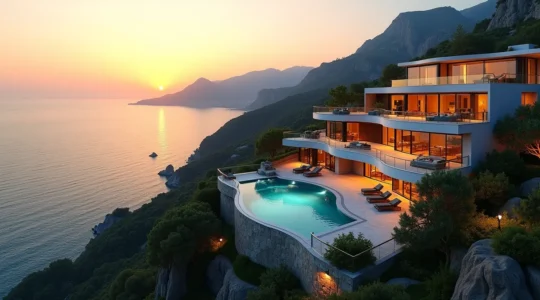
What defines a luxury villa experience in Cannes?
When dreaming of the French Riviera, the idea of a luxury villa in Cannes often conjures images of infinity pools merging with the Mediterranean horizon, sprawling terraces, and opulent amenities….
Read more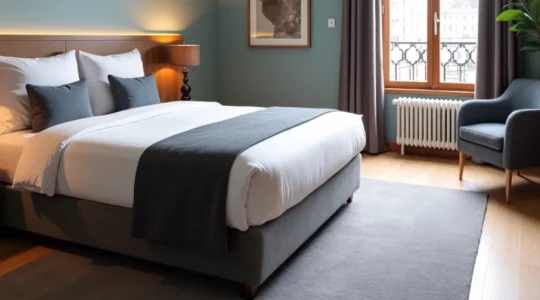
Why is an aparthotel the ideal choice for your parisian stay?
Paris, the City of Light, beckons travelers with its enchanting blend of history, culture, and romance. As you plan your visit to this iconic destination, one crucial decision stands out:…
Read more
Choose an aparthotel for the perfect balance of luxury and convenience in London
London, a city that seamlessly blends history with modernity, attracts millions of visitors each year for business and leisure. When planning a trip to this vibrant metropolis, finding the right…
Read more
How do short-term rentals compare to hotels for travelers?
The accommodation landscape has dramatically shifted in recent years, with short-term rentals emerging as a popular alternative to traditional hotels. This evolution has travelers weighing their options more carefully, considering…
Read more
What are the benefits of staying in a villa for your next vacation?
Luxury travel has evolved beyond traditional hotel stays, with more discerning travelers seeking unique and personalized experiences. Villa accommodations have emerged as the epitome of exclusive getaways, offering a blend…
Read more