Local experiences
Travel has shifted noticeably over recent years. More travelers are moving away from checkbox sightseeing and toward something deeper: local experiences that connect them with the people, food, and everyday rhythms of the places they visit. Instead of simply photographing a landmark, they want to know what life actually feels like there. This page brings together everything you need to understand about local experiences, why they matter, and how to find authentic ones in English-speaking destinations, whether you are planning a weekend in Edinburgh or a month across Australia.
What Are Local Experiences?
A local experience is any travel activity designed and delivered by people who live in the destination, reflecting their genuine culture, skills, and daily life. Think of a fisherman taking you out on his boat in Cornwall, a grandmother teaching you her gumbo recipe in New Orleans, or an Aboriginal guide explaining bush tucker traditions in the Northern Territory.
The key difference between a local experience and a standard tourist activity is authorship. A bus tour of a city center is usually built around what visitors are expected to want. A local experience is built around what residents actually do, eat, and care about. The line can blur, of course, but the intent behind the activity usually shows through.
Common examples include:
- Home-cooked meals shared with a local family
- Craft workshops led by working artisans, such as pottery in Ireland or weaving in Scotland
- Neighborhood food walks through markets and family-run shops
- Farm stays and agricultural visits, from Texas ranches to Welsh hill farms
- Language exchanges, pub quizzes, and community events
- Fishing, foraging, or hiking trips led by people who grew up on the land
Why Local Experiences Matter
For travelers, the appeal is simple: these activities produce the memories that last. Research on travel satisfaction consistently shows that people remember social interactions and hands-on moments far longer than they remember the interior of a museum, however impressive it may be. Eating beside a stranger who becomes a friend for an afternoon creates a story; standing in line for an attraction rarely does.
For destinations, the benefits are equally significant. Money spent on local experiences tends to stay in the community, going directly to guides, cooks, and small family businesses rather than large chains. This distributes tourism income more evenly and reduces pressure on overcrowded city centers, encouraging visitors to explore residential neighborhoods and rural areas.
There is also a cultural dimension. When travelers show interest in local traditions, residents have a concrete economic reason to keep those traditions alive. A young potter in a Scottish village can continue a craft precisely because visitors value learning it.
Types of Local Experiences
Local experiences generally fall into a handful of broad families. Understanding them helps you decide what suits your trip.
Food and Drink
Food is the most accessible entry point. Eating is something you will do anyway, so shifting it from a restaurant to a market stall, a cooking class, or a family table adds depth at little extra cost. In English-speaking countries, think of a barbecue tradition in the American South, high tea in England, a seafood boil in coastal Canada, or a morning tea culture in New Zealand.
Crafts and Skills
Workshops led by makers, from blacksmithing in rural Wales to surf lessons with a local instructor in California, give you a skill to take home alongside the souvenir. These experiences tend to be small-group or one-on-one, which makes them naturally personal.
Nature and Outdoors
Locally guided hikes, wildlife spotting, and fishing trips benefit enormously from resident knowledge. A local guide knows not just where things are, but when, why, and what the landscape means to the community that lives there.
Everyday Life
Some of the best local experiences are the least organized: attending a neighborhood festival, joining a park picnic, cheering at a local sports match, or simply shopping where residents shop. These cost little or nothing and often become the highlight of a trip.
How to Find Authentic Local Experiences
Finding genuine experiences takes a little effort, but a structured approach makes it manageable.
- Start with local sources. Community notice boards, farmers market vendors, library event listings, and neighborhood social media groups often list events no tourism website mentions.
- Read reviews critically. Look for reviews that mention the guide’s personal story and specific details rather than generic praise. Authentic experiences generate specific memories.
- Prioritize small group sizes. Experiences capped at six or eight people almost always allow genuine conversation; groups of thirty rarely do.
- Check who benefits. Platforms and hosts that clearly explain where your money goes are usually more community-rooted than those that do not.
- Ask your accommodation. Independent guesthouses and bed-and-breakfast hosts are often treasure troves of local knowledge, and recommending a neighbor’s workshop costs them nothing.
- Leave room in your itinerary. The best local moments frequently happen spontaneously. A schedule packed back-to-back leaves no space for the invitation you have not received yet.
Practical Tips to Make the Most of It
A few habits separate travelers who collect genuine moments from those who come home with blurry photos.
- Learn a few local phrases. Even in English-speaking countries, greetings vary enormously. A simple “how’s it going?” in Ireland or “no worries” in Australia signals respect and opens conversations.
- Respect local etiquette. Ask before photographing people, follow your host’s lead at the table, and research tipping customs, which differ significantly between the United States, the United Kingdom, and Australia.
- Be honest about your limits. If a cooking class involves a long walk to a market, mention mobility needs when booking. Good hosts adapt; they just need to know.
- Support rather than consume. Buy directly from makers, tip fairly where appropriate, and leave honest public reviews that help small operators.
Common Mistakes to Avoid
Even well-intentioned travelers stumble in predictable ways. Watch out for these:
- Confusing themed entertainment with culture. A dinner show designed for tourists can be fun, but it is not the same as being invited to a family celebration. Knowing the difference keeps expectations realistic.
- Over-scheduling. Booking three experiences a day turns genuine encounters into another checklist. Two meaningful activities per day is usually plenty.
- Treating hosts as performers. Your guide is a person sharing their life, not an employee delivering a script. Ask questions, share your own stories, and engage as you would with a new friend.
- Ignoring seasonality. Harvest festivals, fishing seasons, and community events follow local calendars, not travel itineraries. Check what actually happens when you plan to visit.
Local Experiences vs. Traditional Sightseeing
It helps to see the two approaches side by side, not as rivals but as complements.
- Sightseeing shows you the icons of a place; local experiences show you its texture. You can and often should do both.
- Sightseeing is predictable and scalable; local experiences are personal and sometimes improvised.
- Sightseeing rarely requires social effort; local experiences reward curiosity and openness.
Consider a trip to Dublin. The traditional itinerary covers Trinity College, the Guinness Storehouse, and the Cliffs of Moher day trip. A traveler seeking local experiences might instead join a five-a-side football game in a suburban park, take a Sunday roast cooking class from a retired chef, or spend an evening at a traditional music session in a pub where the musicians are locals, not performers. The first trip produces great photos; the second produces great stories. Most travelers, given the choice, want a balance of both.
How to Choose the Right Experience for You
With so many options, a simple framework helps. Ask yourself three questions before booking anything.
- What do you already enjoy at home? If you cook, a food experience will resonate. If you hike, a local walking guide fits naturally. Start from your existing interests rather than chasing novelty.
- How much interaction do you want? Introverts may prefer small craft workshops; extroverts may love a pub crawl with locals. Neither is better; knowing yourself prevents disappointment.
- What is your comfort zone for the unexpected? Some experiences run on schedule; others drift pleasantly off-plan. If flexibility stresses you, choose structured options.
Local experiences are, at their heart, an act of curiosity. They ask you to arrive as a guest rather than a consumer, to listen more than you photograph, and to let a place change you a little. In return, they offer the kind of travel memories that genuinely endure, the ones you find yourself retelling years later. Whether your next trip takes you to a market in Melbourne, a farmhouse in Yorkshire, or a Cajun kitchen in Louisiana, the same principle applies: go where the locals go, ask questions, and stay long enough for a conversation to begin.
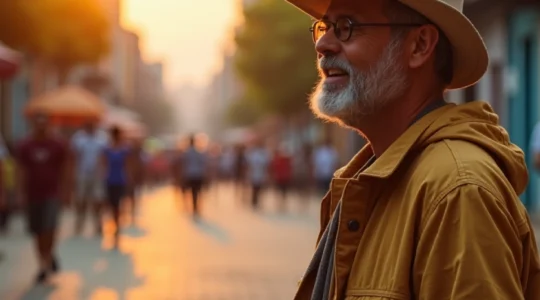
Meeting the locals makes every trip more meaningful
Travel has the power to transform our perspectives, broaden our horizons, and create lasting memories. While stunning landscapes and iconic landmarks often take center stage, it’s the connections we forge…
Read more
Cultural immersion transforms the way you experience travel
Travel has long been a gateway to new experiences, but cultural immersion takes this journey to unprecedented depths. It’s not just about visiting a place; it’s about living it, breathing…
Read moreThe impact of local cooking classes on food tourism
Local cooking classes have emerged as a powerful driver of food tourism, transforming the way travelers experience culinary traditions around the world. These immersive experiences offer a unique blend of…
Read more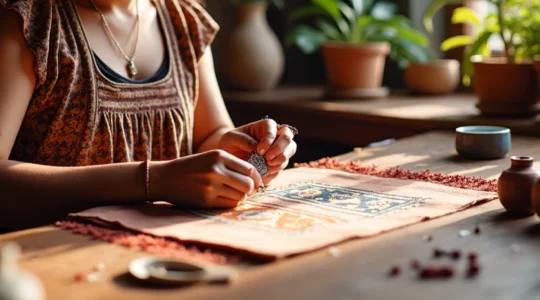
In what way do craft activities help preserve cultural heritage?
Craft activities play a crucial role in preserving cultural heritage, serving as a tangible link between past traditions and contemporary society. These creative endeavors encompass a wide range of skills…
Read more