Stays and activities
Every trip is built on two pillars: where you sleep and what you do. Get these two elements right, and the rest of your journey tends to fall into place naturally. Yet for many travelers, especially those planning their first independent trip, choosing accommodation and filling an itinerary can feel overwhelming. Should you book a hotel, a hostel, or a vacation rental? How many activities are too many? This page brings together everything you need to understand about stays and activities, from the main types of accommodation to practical ways of planning experiences that match your travel style.
What Stays and Activities Really Mean in Travel Planning
When travel experts talk about stays, they mean any form of overnight accommodation: hotels, hostels, guesthouses, vacation rentals, campsites, farm stays, and even houseboats. Activities, on the other hand, cover everything you do while awake: guided tours, museum visits, hikes, cooking classes, beach afternoons, day trips, and spontaneous street wandering.
The two are deeply connected. A remote cabin in the mountains naturally limits your activity options to nature-based experiences, while an apartment in a city center puts museums, restaurants and nightlife within walking distance. This is why experienced travelers rarely plan accommodation and activities in isolation. The location and character of your stay shapes the rhythm of your entire trip.
Think of it like this: your accommodation is the base camp, and your activities are the expeditions. A well-chosen base camp makes every expedition easier and more enjoyable.
Understanding the Main Types of Accommodation
There is no single “best” place to stay — only the best fit for your budget, your destination and your expectations. Here are the options most travelers weigh up.
Hotels and Resorts
Hotels remain the default choice for many travelers, and for good reason: they offer predictable standards, on-site staff, daily housekeeping and often amenities such as pools, gyms and restaurants. Resorts take this further, especially in beach destinations, by concentrating dining, entertainment and leisure within one property.
- Best suited to: travelers who value comfort, privacy and service, and those on shorter trips where convenience matters most.
- Watch out for: pricing that excludes breakfast, resort fees, and locations that look central on a map but sit far from the sights you actually want to visit.
Hostels
Hostels have moved far beyond the bare-bones dormitories of the past. Many now offer private rooms, well-designed communal kitchens, and organized social events. For solo travelers and those on a tight budget, they are often the most rewarding option — not just financially, but socially.
- Best suited to: solo travelers, backpackers, and anyone who wants to meet people on the road.
- Watch out for: thin walls, shared bathrooms, and lockers that require your own padlock. Reading recent reviews is the best filter.
Vacation Rentals and Apartments
Platforms for vacation rentals have made it easy to stay in a local neighborhood, cook your own meals and enjoy more space than a hotel room at a similar price. This is often the most economical choice for families and for trips longer than a few days.
- Best suited to: families, groups, long stays, and travelers who prefer a home-like setting.
- Watch out for: cleaning fees that inflate the final price, inconsistent quality, check-in instructions that require careful reading, and fewer services than a hotel provides.
Guesthouses, B&Bs and Homestays
Small, independently run properties offer something hotels rarely can: direct contact with local hosts and insider knowledge of the area. A bed and breakfast in the countryside or a family-run guesthouse in a small town often becomes one of the memories travelers treasure most.
Camping, Cabins and Unusual Stays
Campsites, glamping tents, treehouses and farm stays appeal to travelers seeking nature and novelty. They usually cost less than hotels and place you closer to outdoor activities. The trade-off is comfort: check what is included (bedding, electricity, bathrooms) before booking.
How to Choose the Right Stay: A Practical Checklist
Before booking any accommodation, run through this simple checklist. It takes ten minutes and prevents most common disappointments.
- Define your budget per night, including taxes, cleaning fees and extras. Compare the final price, not the headline rate.
- Check the location on a map, not just the neighborhood name. Verify the walking distance or transit time to the places on your wish list.
- Read recent reviews, focusing on the most recent ones. Property quality changes fast, and a review from two years ago may no longer be accurate.
- Confirm the essentials: Wi-Fi, air conditioning or heating, luggage storage, 24-hour check-in if you arrive late, and cancellation terms.
- Compare photos with reviews. If reviewers mention noise, small rooms or broken facilities, take that seriously over polished marketing photos.
A simple rule of thumb: prioritize location and reviews over amenities. A modest room two streets from the historic center usually beats a luxurious room with an hour-long commute every day.
Planning Activities Without Overloading Your Trip
Activities are where trips become memorable — but also where itineraries collapse under their own weight. First-time planners often schedule four attractions per day, then spend the whole trip exhausted. A more sustainable approach follows a few simple principles.
The Two-Anchor Method
Plan a maximum of two “anchors” per day: one activity in the morning and one in the afternoon, or one major sight plus one lighter experience. Leave the gaps in between for meals, rest, and the serendipitous discoveries that often become trip highlights. A traveler who books a morning food market tour and an afternoon city walk will still have time to wander into a bookshop or linger over coffee — which is, after all, part of what travel is about.
Balancing Booking Ahead and Keeping Free Time
Some experiences genuinely require advance booking: popular landmarks with timed entry, small-group tours that sell out, cooking classes with limited seats, and any activity in high season. Other things are better left open: parks, neighborhoods, beaches and free museums can be enjoyed whenever the mood strikes.
- Book in advance: time-slotted attractions, guided tours, popular restaurants, and anything requiring a specific time slot.
- Keep flexible: outdoor spaces, markets, scenic viewpoints, and local cafés or bars you pass along the way.
Grouping by Geography
Save time and transport costs by clustering activities by area. If two museums are in the same district, see them on the same day rather than crossing the city twice. This simple habit can reclaim several hours across a one-week trip.
Types of Activities to Consider at Any Destination
A well-rounded trip usually mixes several categories of experiences. Consider whether your plan covers most of these:
- Cultural activities: museums, historic sites, religious buildings, local festivals and performing arts.
- Nature and outdoor pursuits: hikes, bike rides, beaches, boat trips, wildlife watching and scenic drives.
- Food experiences: markets, food tours, cooking classes, and simply eating where locals eat.
- Learning and hands-on experiences: craft workshops, language exchanges, wine or coffee tastings.
- Rest and slow moments: park afternoons, spa time, people-watching from a café terrace.
The last category is the one travelers most often forget — and the one that prevents burnout. A trip that includes rest is a trip you return from feeling refreshed rather than needing a holiday from your holiday.
Budgeting for Stays and Activities
Accommodation is usually the largest single expense of a trip, followed by activities and food. A useful approach is to allocate your budget in proportions that reflect your priorities. A traveler who cares deeply about food experiences can happily stay in a simple guesthouse and spend generously on a multi-course tasting dinner. Another who values comfort after busy work days may prioritize a quality hotel and fill their days with free walking tours and parks.
Neither approach is wrong. What matters is deciding before you book where comfort and experiences matter most to you, and letting that guide every reservation.
Two habits stretch any budget further:
- Booking accommodation with a kitchen, even a small one, lets you prepare breakfast and occasional meals — often saving as much as one restaurant meal per day.
- Mixing paid attractions with free ones. Many cities offer excellent free museums, self-guided walking routes, and public parks that rival paid attractions.
Common Mistakes to Avoid
A few errors appear again and again among travelers planning their stays and activities:
- Booking accommodation without checking the exact location, only to find it requires an hour of transit each day.
- Planning every hour of every day, leaving no room for weather changes, fatigue or unexpected discoveries.
- Ignoring cancellation policies, then losing money when plans shift.
- Booking the cheapest option available without reading why recent reviews are negative.
- Forgetting to factor in travel time between activities, especially in large cities or rural areas with infrequent transport.
Making Stays and Activities Work Together
The most satisfying trips are the ones where accommodation and activities reinforce each other. Stay near the waterfront if boat trips are your priority. Choose a countryside inn if you plan long days of hiking. Pick a central apartment if evening events matter to you. And always leave some days unplanned — the activities you stumble upon without a booking are often the stories you tell first when you get home.
Whether you are planning a weekend city break or a multi-week journey, treating stays and activities as two halves of one decision will save you money, time and stress — and give you a trip that feels genuinely yours.
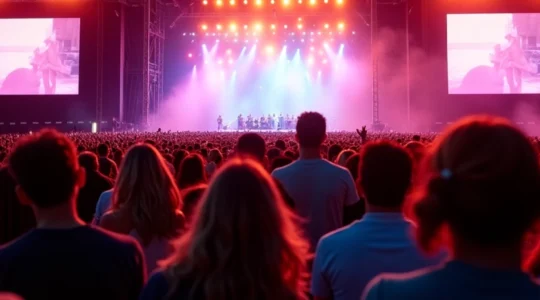
Attend a spectacular event and experience the local nightlife
Immersing yourself in the vibrant tapestry of global events and nightlife scenes offers an unparalleled opportunity to connect with local cultures, create lasting memories, and broaden your horizons. From world-renowned…
Read more
Live shows provide an immersive experience of local culture
Experiencing local culture through live performances offers a unique and vibrant window into the heart of a community. From energetic music venues to thought-provoking theater productions, these immersive experiences allow…
Read more