Dream destinations
Everyone carries a mental list of places they hope to see one day: the turquoise lagoons of the Maldives, the neon streets of Tokyo, the sweeping landscapes of New Zealand. These are what we call dream destinations — places that capture the imagination long before the plane ticket is booked. But turning a dream into a real, enjoyable trip takes more than wishful thinking. This page explains what makes a destination truly dream-worthy, how to choose the right one for your situation, and how to plan a journey that lives up to the picture in your head.
What Is a Dream Destination?
A dream destination is more than a popular place. It is a location that resonates with you personally — one you would prioritize over easier, cheaper, or closer options. For some travelers, that means witnessing the northern lights over Iceland. For others, it means walking the historic streets of Rome, diving on the Great Barrier Reef in Australia, or road-tripping along California’s Pacific Coast Highway.
The common thread is emotional weight. Dream destinations usually involve one or more of the following:
- Once-in-a-lifetime scenery, such as the Grand Canyon, the Norwegian fjords, or the Canadian Rockies.
- Deep cultural interest, like Japan’s temples, Peru’s Machu Picchu, or India’s Taj Mahal.
- A personal connection, whether family roots, a film or book that left a mark, or a milestone worth celebrating.
- A sense of challenge or rarity, such as Antarctica, the Galápagos Islands, or a safari in Kenya.
Why Dream Trips Require Different Planning
Ordinary trips can survive improvisation. A weekend in a nearby city rarely needs more than a hotel and a rough itinerary. Dream trips are different because expectations are high, costs are significant, and many of these places have natural or logistical constraints.
Consider a traveler named Sarah who dreams of seeing the northern lights in Norway. If she books in summer, she will see midnight sun instead of auroras. If she books two nights only, a single cloudy sky can wipe out her chances. Her dream is not impossible — it simply depends on season, timing, and patience, three factors that matter far less on a standard city break.
The same logic applies elsewhere: gorilla trekking permits in Rwanda sell out months ahead, the Inca Trail has fixed daily quotas, and island destinations like the Seychelles have distinct wet and dry seasons that reshape the experience entirely.
How to Choose the Right Dream Destination for You
With so many iconic places in the world, the hardest step is often narrowing the list. A useful approach is to match the destination to four practical dimensions.
1. Budget Reality
Every dream has a price range. A trip to Bali can be done comfortably on a modest budget, while French Polynesia or the Maldives quickly become expensive once flights, transfers, and overwater accommodation are included. Be honest about the total cost — including flights, internal transport, accommodation, food, activities, and travel insurance — before committing.
2. Time Available
Long-haul destinations absorb time. Travelers from the United States or the United Kingdom heading to Australia or New Zealand should plan at least two to three weeks to justify the journey. If you only have one week, destinations with shorter travel times — Mexico, Portugal, Thailand — often deliver a similar emotional payoff with far less jet lag.
3. Travel Style and Companions
A dream trip for a solo backpacker (hostels in Vietnam, treks in Nepal) looks very different from a dream honeymoon (Santorini, Amalfi Coast) or a family milestone trip (Costa Rica’s wildlife, Orlando’s theme parks). Choosing a destination that fits everyone traveling together prevents disappointment.
4. Season and Conditions
Research the best time to visit carefully. The Caribbean’s hurricane season, Southeast Asia’s monsoon months, and Europe’s peak summer crowds all dramatically change the experience — and the price.
Popular Dream Destinations and What Makes Them Special
While every traveler’s list is personal, certain places appear again and again — and for good reason.
- Kyoto, Japan: temples, gardens, and traditional culture in a compact, walkable city best visited in spring cherry blossom season or autumn.
- Santorini, Greece: dramatic cliffside villages and sunsets over the caldera, ideal for couples and short, intense trips.
- New Zealand: a road-tripper’s paradise combining fjords, beaches, and adventure sports across two islands.
- Petra, Jordan: an ancient city carved into rose-red rock, often paired with the deserts of Wadi Rum.
- Banff and Lake Louise, Canada: alpine lakes and mountain scenery that reward both hikers and casual visitors.
- Marrakech, Morocco: sensory-rich markets, riads, and gateway access to the Sahara.
- Iceland: waterfalls, glaciers, geothermal lagoons, and winter auroras within easy reach of North America and Europe.
Planning Your Dream Trip: A Step-by-Step Approach
Once a destination is chosen, a structured process keeps the project manageable and the budget under control.
- Define the non-negotiables. Identify the two or three experiences the trip must include — the aurora, the reef dive, the specific hike — and build everything else around them.
- Fix the dates around the destination, not the reverse. Check the best season first, then align work schedules and budgets with it.
- Set a realistic total budget. Estimate flights, accommodation, daily spending, activities, insurance, and a contingency of 10 to 15 percent.
- Book the constrained items early. Permits, safaris, popular restaurants, and limited accommodation (small island resorts, mountain lodges) often sell out long before flights do.
- Leave deliberate slack. Over-scheduled itineraries are the most common regret on long-haul dream trips. Build in rest days and free afternoons.
- Handle the practicalities. Check passport validity, visa requirements, vaccinations, and travel insurance — ideally several months before departure.
Common Mistakes to Avoid
Dream trips fail for predictable reasons. Knowing the classic pitfalls helps you avoid them:
- Visiting at the wrong time of year, sacrificing the very experience that made the destination a dream.
- Packing too many destinations into one trip, turning a journey into a race between airports.
- Underestimating costs, particularly island transfers, park fees, and peak-season surcharges.
- Chasing the perfect photo instead of the experience, which leads to overcrowded viewpoint burnout rather than genuine memories.
- Skipping travel insurance on expensive, remote, or activity-heavy trips, where a medical issue or cancellation can be financially devastating.
Making Dream Trips Affordable
A limited budget rarely rules out a dream destination; it usually only changes how and when you go. Practical levers include:
- Traveling in shoulder season, when prices drop and crowds thin without losing the destination’s appeal.
- Being flexible on dates, since midweek flights and off-peak departures can cut long-haul fares substantially.
- Upgrading selectively — for example, staying in simple guesthouses while splurging on one signature experience like a hot-air balloon ride or a guided glacier walk.
- Saving specifically, by setting a dedicated monthly amount toward the trip rather than funding it last-minute on credit.
When the Dream Changes — and Why That Is Fine
Sometimes a dream destination evolves. Travelers who imagined the Maldives may fall in love with Sri Lanka after reading about its tea country and wildlife. Others find that a less famous place — Slovenia instead of Switzerland, Vietnam instead of Thailand — delivers the same wonder at a fraction of the cost and crowds. The goal is not to tick a name off a list; it is to create an experience worth remembering. Staying open to alternatives often makes the dream better, not smaller.
Frequently Asked Questions
How far in advance should I plan a dream trip?
For long-haul or permit-limited destinations, nine to twelve months is a comfortable horizon: enough time to secure bookings and save, without prices on flights and accommodation having fully peaked. Simpler trips can be planned in three to six months.
Are dream destinations only for big budgets?
No. Some of the world’s most rewarding destinations — Portugal, Vietnam, Mexico, parts of Eastern Europe — are among the most affordable. What defines a dream destination is personal significance, not price.
Is it better to book everything in advance or improvise?
A hybrid works best: lock in flights, first and last nights of accommodation, and any limited-capacity experiences, then leave the middle of the itinerary flexible to adapt to weather, energy levels, and discoveries along the way.
A dream destination deserves more than a vague intention. With honest budgeting, smart timing, and a plan built around what genuinely matters to you, the trip you have been picturing for years can become a perfectly ordinary booking confirmation — and an extraordinary memory.
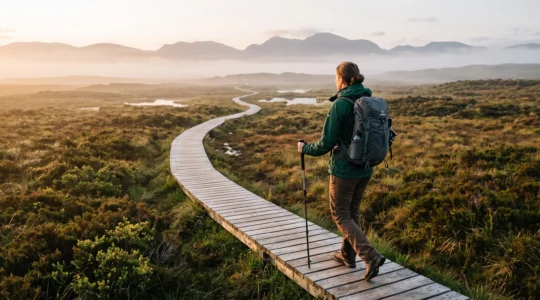
Which Ecosystem Experience Matches Your Attention Span and Fitness Level in 1 Week?
A rainforest announces itself through dripping leaves, overlapping bird calls and the smell of damp soil. A desert may appear silent until a lizard moves beneath a rock or fresh…
Read more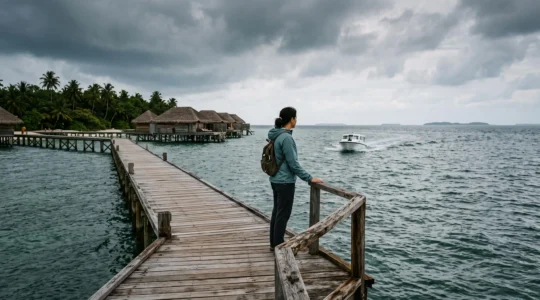
Is a Private Island Resort Worth It if You’re Worried About Feeling Trapped for 5 Nights?
Five nights on a private island resort can be an exceptional escape. It can also feel surprisingly restrictive if the beach loses its novelty, the weather turns, or the only…
Read more
What Makes Luxury Travel Feel Effortless for a 10-Day Trip With 4 Flight Segments?
A ten-day luxury journey with four flight segments can involve exceptional hotels, private aviation, dedicated chauffeurs and carefully selected experiences, yet still demand constant attention from the traveller. The problem…
Read more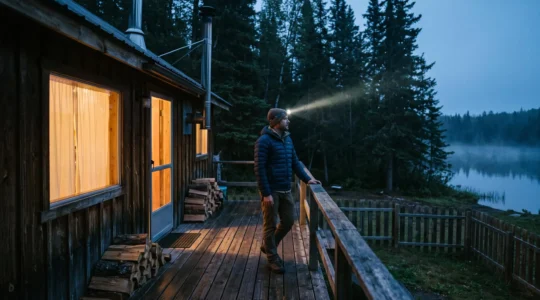
Which Natural Setting Helps You Unwind Fast if You Hate Crowds and Constant Noise?
A forest cabin can look peaceful in photographs yet fill with rustling branches after dark. A beach cottage may offer beautiful sunsets but keep a light sleeper awake with crashing…
Read more
Why renting a luxury villa on Île de Ré is the perfect choice for a family getaway
Choosing a family vacation destination often involves a trade-off between adventure and relaxation, shared moments and personal space. Yet, on the sun-drenched shores of Île de Ré, this compromise dissolves….
Read more
How a villa rental in Ramatuelle offers an authentic escape on the French Riviera
The French Riviera often conjures images of bustling crowds and high-octane glamour. Yet, nestled in the hills above the iconic Pampelonne beaches, the village of Ramatuelle offers a different promise:…
Read more
How do mountain retreats provide the ultimate relaxation?
Mountain retreats have long been revered as sanctuaries for those seeking ultimate relaxation and rejuvenation. The majestic peaks, crisp alpine air, and serene landscapes create an environment uniquely suited to…
Read more
What are the best countryside escapes for a peaceful getaway?
Escaping the hustle and bustle of daily life for a tranquil retreat in the countryside can be incredibly rejuvenating. A peaceful getaway surrounded by nature allows you to unwind, recharge,…
Read more
Islands: the ultimate escape for beach and nature enthusiasts
Islands have long captivated the human imagination, offering pristine beaches, unique ecosystems, and a sense of escape from the everyday world. These isolated landmasses serve as sanctuaries for diverse flora…
Read more