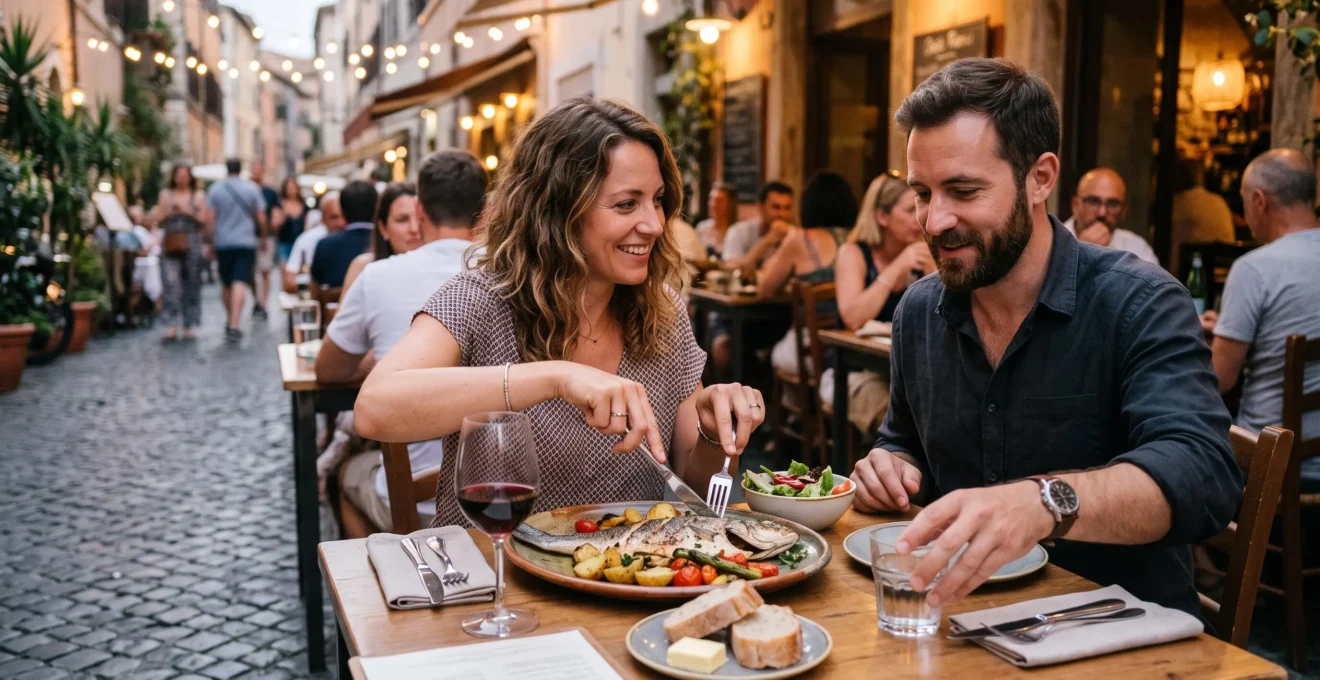
A holiday should leave you with great memories, not a running mental calculation of everything you have eaten. Yet unfamiliar menus, hotel buffets, irregular schedules and tempting local specialities can make balanced eating feel surprisingly complicated.
The solution is not to follow your usual routine perfectly. It is to build a few flexible habits that work whether you are exploring London, taking a road trip through Australia or spending a week in a coastal apartment.
Eating balanced on holiday means making satisfying food choices most of the time while leaving room for the experiences you actually travelled for. A protein-rich breakfast, a simple restaurant ordering framework, regular meals and enjoyable movement can help you feel comfortable and energised without tracking calories.
Some days will involve elaborate dinners and leisurely breakfasts. Others will be full of sightseeing, packed lunches and spontaneous snacks. What matters is how those choices fit together across the trip, not whether every individual meal looks perfect.
Balanced holiday eating: the essentials
- Use a three-part restaurant rule: choose a protein-focused dish, add vegetables or fibre where practical, and include something you genuinely enjoy.
- Build breakfasts around satisfying foods, keep meal timing reasonably consistent and enjoy special meals without compensatory restriction.
- Let sightseeing count as movement, using short, equipment-free activity breaks on quieter days rather than forcing daily workouts.
- Why Does Holiday Eating Make You Feel Heavy Even if You’re Walking 15,000 Steps a Day?
- How to Build a Balanced Meal at Any Restaurant Using a 3-Part Plate Rule?
- Buffet Breakfast or Self-Catering: Which Helps You Stay Energised on a 7-Day Trip?
- The Breakfast Mistake That Triggers All-Day Snacking While You’re Sightseeing
- When Should You Go Flexible With Food on a Trip Without Feeling Awful the Next Day?
- Market Tour Plus Cooking or Kitchen-Only: Which Works Better on a Tight 4-Hour Afternoon?
- How to Build a Simple Holiday Movement Routine Using 2 Daily Triggers and No Equipment?
- How to Stay Active on Holiday With 20 Minutes a Day Without Feeling Like You’re Training
Why Does Holiday Eating Make You Feel Heavy Even if You’re Walking 15,000 Steps a Day?
Walking 15,000 steps a day does not necessarily prevent holiday bloating or sluggishness because physical activity and digestive comfort are influenced by different factors. Restaurant meals may contain more sodium than you usually eat, portions can be larger, and irregular meals, alcohol and disrupted sleep can affect how you feel. High step counts cannot cancel out every one of these effects.
One important distinction is between changes in body fat and changes in fluid retention or digestive contents. A tighter waistband after a restaurant-heavy day does not automatically mean you have gained body fat.
The American Heart Association infographic on excess sodium explains that consuming too much sodium can increase water retention, contributing to puffiness, bloating and changes in body weight. Restaurant and processed foods are significant sodium sources in the American diet, although that population-level finding should not be assumed to apply identically everywhere.
Food volume matters too. A substantial dinner can leave your digestive system handling more food than usual. Eating late may also make it uncomfortable to lie down soon afterwards, particularly if you are prone to reflux.
Three travel-specific patterns commonly deserve attention:
- Continuous grazing: Buying small snacks throughout a sightseeing day can blur natural meal boundaries. You may never feel properly hungry or comfortably satisfied.
- Light daytime eating followed by an enormous dinner: Skipping lunch to save room for a special meal can leave you intensely hungry and eating beyond a comfortable level.
- Alcohol with a late, substantial meal: Alcohol can affect hydration, sleep and gastrointestinal comfort, making the following morning feel harder than expected.
Rather than blaming your food choices or attempting to walk off a meal, try a short self-check the following morning.
| What you notice | Possible contributor | Practical adjustment |
|---|---|---|
| Puffiness after salty restaurant meals | Sodium-related fluid retention | Return to usual hydration and include less salty options when convenient. |
| Uncomfortable fullness after dinner | Meal size or eating speed | Try a more moderate portion or share several dishes. |
| Constant snacking without clear hunger | Irregular meals or habit grazing | Plan a satisfying lunch and a deliberate snack stop. |
| Fatigue after an evening out | Disrupted sleep, alcohol or travel fatigue | Prioritise rest and return to your usual routine. |
These are practical clues, not medical diagnoses. Persistent or severe bloating, pain, vomiting or unusual swelling deserves medical assessment rather than being dismissed as normal holiday eating.
Once you understand what is contributing to discomfort, the next step is making restaurant choices that support your appetite without turning dinner into a nutrition project.
How to Build a Balanced Meal at Any Restaurant Using a 3-Part Plate Rule?
The easiest way to build a balanced restaurant meal is to make three decisions before getting lost in the menu: choose a protein-focused dish, add a vegetable- or fibre-rich option, and include one food you particularly want to enjoy. This flexible three-part rule works across different cuisines without weighing portions or counting calories.
The key is to treat the rule as an ordering framework, not a requirement to arrange your food into perfect proportions. You can apply it before entering a restaurant, at a street-food stall or while sharing dishes with friends.
For example, at a casual seafood restaurant, grilled fish could provide the protein, a vegetable side adds fibre, and fresh bread with olive oil becomes the enjoyment item. At an Italian restaurant, the combination might be pasta with seafood, a side salad and a shared dessert.
Some meals will already contain all three components. Others require a little flexibility, especially in places where vegetables are not central to the main dish.
If you are eating barbecue, consider beans, grilled vegetables or a suitable salad alongside the meat. At a pasta-focused restaurant, vegetables might come from a starter rather than the main course. With street food, you might enjoy the local speciality as it comes and include fruit or vegetables at another meal.
Balance can happen across the day. There is no nutritional requirement for every restaurant meal to contain an exact combination of foods.
Portion size is another useful decision. When a main dish looks larger than your appetite, sharing, choosing a smaller serving or taking leftovers where food storage is safe can make eating more comfortable.
The CDC advice on eating out supports practical strategies such as planning orders ahead, choosing vegetable sides where available and sharing large restaurant dishes. Although the guidance appears within diabetes education resources, these particular ordering ideas can also be adapted by travellers who do not need a clinical eating plan.
The framework also works when a conventional plate is not involved:
| Dining format | Quick decision | Flexible example |
|---|---|---|
| Food truck | Choose a substantial main, then consider what is missing. | Chicken wrap, vegetable filling and a local sweet. |
| Tapas or shared plates | Order complementary dishes for the table. | Grilled seafood, vegetables and patatas bravas. |
| Buffet | Survey the options before serving yourself. | Eggs or beans, fruit or vegetables and a favourite pastry. |
| Set menu | Find balance across courses rather than changing every dish. | Vegetable starter, fish main and dessert. |
None of these combinations is compulsory. Allergies, dietary preferences, availability and hunger still take priority over following a neat formula.
Your five-step balanced restaurant ordering checklist
- Check the menu for one protein-containing main that appeals to you. Your result: one selected dish.
- Identify a vegetable, fruit or fibre-rich addition, either within that dish or elsewhere on the menu. Your result: one practical addition.
- Choose the part of the meal you most want to enjoy, such as bread, chips, a regional speciality or dessert. Your result: one deliberate enjoyment choice.
- Assess the advertised portion or ask whether a smaller serving or sharing is possible. Your result: a portion plan suited to your appetite.
- Decide what to order before you reach the counter or the server arrives. Your result: a complete, flexible order requiring no calorie calculation.
The same principle applies to the first meal of the day, although breakfast introduces an additional challenge: choosing enough food to support your itinerary without feeling weighed down.
Buffet Breakfast or Self-Catering: Which Helps You Stay Energised on a 7-Day Trip?
Neither a hotel breakfast buffet nor self-catering is automatically better for energy during a seven-day holiday. Buffets offer convenience and variety, while self-catering provides more control over ingredients, portions and timing. The better option depends on your accommodation, morning schedule, budget and willingness to prepare food, with a combination often working best.
A busy city break with early museum bookings might favour a convenient hotel breakfast. A relaxed apartment stay may make supermarket shopping worthwhile, particularly if you already have a kitchen and eat out most evenings.
The real question is not which option appears healthier. It is which breakfast you can realistically maintain throughout the trip.
| Trip situation | Buffet breakfast | Self-catering breakfast |
|---|---|---|
| City break with early departures | Convenient if serving hours fit the itinerary. | Useful for very early starts or taking food away. |
| Apartment or villa stay | Often unavailable or requires travelling elsewhere. | Practical with basic kitchen equipment and nearby shopping. |
| Restaurant-heavy itinerary | Can work with modest, satisfying selections. | Makes a simple morning meal easier to repeat. |
| Mixed sightseeing and rest days | Enjoyable on leisurely mornings. | Convenient for mornings with planned activities. |
At a buffet, survey the available food before filling a plate. A satisfying combination might include eggs, plain yoghurt, fruit, wholegrain toast or another preferred carbohydrate source. You can also enjoy a pastry without needing to try every baked item available.
The common buffet mistake is eating substantially more than you want simply because breakfast is included in the room price. A particularly large meal may cause uncomfortable fullness and make the first part of the day less enjoyable. An energy dip later in the morning can also reflect poor sleep, dehydration or an unsuitable meal for your needs, rather than the buffet itself.
Self-catering is often simpler than travellers expect, provided the shopping list stays short:
- Plain or Greek yoghurt, or a suitable dairy-free alternative.
- Fresh fruit that is easy to store and carry.
- Eggs, where cooking facilities are available.
- Oats, wholegrain bread or another convenient staple.
- Nuts, seeds or nut butter for additional variety and satisfaction.
These ingredients can support several combinations without requiring elaborate cooking. Yoghurt with oats, fruit and nuts takes little preparation, while eggs with toast work well when there is a functioning hob.
However, self-catering has a hidden time cost. Shopping, washing dishes, storing perishables and coordinating breakfast with other travellers all require effort. If that effort becomes frustrating halfway through the holiday, the theoretical benefits may never materialise.
A hybrid breakfast strategy avoids choosing one approach for the entire week. Prepare a quick breakfast before demanding sightseeing days, then enjoy a leisurely buffet when the schedule allows. If your accommodation only offers one option, vary what you eat rather than treating the arrangement as a problem.
Once the breakfast format is settled, what you actually eat becomes more important than where it comes from, especially when your day involves hours of walking past tempting cafés and food stalls.
The Breakfast Mistake That Triggers All-Day Snacking While You’re Sightseeing
A breakfast made mostly of refined carbohydrates, such as a sweet pastry and jam-covered toast, may leave some travellers hungry again relatively soon, especially if it contains little protein or fibre. That can make unplanned snacking more appealing during sightseeing. The practical solution is to build a more satisfying breakfast, not to ban pastries or ignore genuine hunger.
Imagine starting a sightseeing day with a croissant and sweetened coffee. By mid-morning, you may feel hungry again, just as you pass a bakery. Later, another snack appears convenient because lunch has been pushed back by a tour.
This sequence is not inevitable. People respond differently to meals, and hunger also depends on total food intake, sleep, activity and individual needs. However, a breakfast lacking in satisfying components can make the gap until lunch harder to manage.
Adding protein and fibre is a practical way to build a breakfast that better suits a busy itinerary.
Travel-friendly options include:
- At a café: Eggs on toast, with fruit or vegetables if available.
- From a supermarket: Greek yoghurt, a banana and a small portion of nuts.
- At a convenience store: A sandwich with an egg, cheese, hummus or another protein filling, plus fruit.
- From a hotel buffet: Yoghurt, oats and fruit, or eggs with toast.
These are examples rather than required breakfast menus. A favourite local pastry can remain part of breakfast; pairing it with something more satisfying may simply suit your plans better than eating it alone.
A separate issue is the idea that walking all day makes every snack an automatic necessity. Sightseeing does use energy, but not every opportunity to eat represents physical hunger.
Before buying something, ask whether you are hungry, need fuel because the next meal is delayed, or simply want to experience a particular food. All three answers are legitimate, but recognising the difference helps you choose intentionally.
A useful distinction is between a planned fuel stop and automatic grazing. If lunch is several hours away and you are genuinely hungry, a snack containing protein and fibre can help. If you want to try a famous local gelato, enjoy it for the experience rather than pretending it must serve as exercise fuel.
Early departures require a backup plan. When a tour starts before breakfast service, pack something practical the evening before, such as fruit, a nut-butter sandwich or another portable food that can be stored safely. Alternatively, split breakfast into a small early bite and a more substantial meal after the tour begins.
This removes the pressure to find a suitable café at an inconvenient hour, when food choices may be limited.
Breakfast provides structure, but a balanced holiday also needs space for the meals you travelled to experience. The next decision is when to embrace that flexibility deliberately.
When Should You Go Flexible With Food on a Trip Without Feeling Awful the Next Day?
Go flexible with food when a meal offers a meaningful experience, such as a regional speciality, a memorable restaurant or a celebration with people you love. Enjoy it without treating the choice as a failure. To reduce next-day discomfort, consider portion comfort, alcohol and timing, then return to your usual meals and hydration rather than trying to compensate through restriction.
Flexibility works better when it is intentional rather than an automatic response to every available food opportunity.
A long-awaited dinner at a destination restaurant may be worth taking your time over. A traditional dessert from a local bakery may be part of the experience. By contrast, eating an extra hotel snack simply because it is sitting beside the minibar may offer little enjoyment.
Ask yourself: Would I still choose this food if it were not immediately available? The answer helps distinguish a genuinely appealing experience from a passing habit, without labelling either choice morally good or bad.
For a longer holiday, think about pacing rather than setting rigid indulgence quotas. Some people enjoy one substantial restaurant experience most days. Others prefer a few special meals separated by simpler ones. There is no evidence-based universal rule requiring a certain number of flexible meals per week.
What matters for comfort is avoiding a repeated cycle in which you undereat throughout the day, arrive excessively hungry at dinner and then eat far beyond comfortable fullness.
Alcohol deserves separate consideration because its effects extend beyond the food on your plate.
The NIAAA fact sheet on hangovers explains that alcohol can contribute to fluid loss, fragmented sleep and stomach irritation. These effects can contribute to next-day fatigue and digestive discomfort, although individual responses vary.
If local wine or cocktails are part of the holiday experience, decide whether you actually want an alcoholic drink before ordering. Choosing a smaller amount, drinking water alongside it or opting for a non-alcoholic alternative can help you make a more deliberate choice. Water does not cancel alcohol’s effects or guarantee that you will avoid a hangover; consuming less alcohol is the more reliable way to reduce alcohol-related risk.
After a particularly rich dinner, a simple next-day routine is often enough:
- Drink fluids normally, especially if you are thirsty or have been in hot weather.
- Eat your next meal when you are comfortably hungry, without skipping it as punishment.
- Choose satisfying, familiar foods that feel comfortable to digest.
- Prioritise sleep and gentle activity according to how you feel.
- Continue your holiday without trying to erase the previous evening.
Restriction is not an effective remedy for dehydration, poor sleep or stomach irritation. Skipping meals can also leave some people excessively hungry later, perpetuating the same uncomfortable eating pattern.
Most importantly, a next-day routine is not a promise that every symptom will disappear. Persistent symptoms or significant illness need appropriate medical attention.
For travellers staying somewhere with a kitchen, cooking a meal can provide another form of flexibility: enjoying local ingredients while choosing the preparation, portions and pace yourself.
Market Tour Plus Cooking or Kitchen-Only: Which Works Better on a Tight 4-Hour Afternoon?
A market tour combined with cooking is usually the better choice when cultural discovery, local ingredients and guided learning matter most. A kitchen-only session is often more practical when your main goal is preparing a balanced meal within four hours. The deciding factors are actual activity duration, cooking participation, available equipment and how much of the afternoon you want to spend exploring rather than preparing food.
A guided market visit may take around 60–90 minutes before cooking begins, although actual schedules vary by provider and destination. With only four hours available, that leaves less time for ingredient preparation, cooking, eating and cleaning up.
Consider what the rest of the trip already provides. If you are spending most days eating in restaurants, an afternoon preparing your own meal may offer a welcome change. If your holiday lacks opportunities to explore local food traditions, a guided market visit could be more rewarding.
| Decision factor | Market tour plus cooking | Kitchen-only session |
|---|---|---|
| Ingredient control | Depends on the class menu and instructor. | Usually greater when shopping and cooking independently. |
| Cultural discovery | Offers opportunities to learn about regional ingredients and market traditions. | Depends on your own shopping and recipe choices. |
| Transferable skills | Useful if participants actively prepare dishes. | Useful for practising simple meals that can be repeated. |
| Cost | May include guide and instruction fees; check the full price. | Depends on ingredients, facilities and any equipment needed. |
| Rest-day suitability | Social and engaging, but may involve standing and walking. | Often easier to control the pace and build in rest. |
| Four-hour flexibility | More dependent on a fixed schedule. | Generally easier to shorten or simplify. |
Cooking independently offers a particular advantage for balanced holiday eating: you control the ingredients, seasonings and serving sizes. Fresh vegetables, a protein source and a favourite carbohydrate can become a complete meal without complicated recipes.
For example, a hypothetical apartment meal could consist of pan-cooked fish or chickpeas, roasted vegetables and bread purchased from a nearby market. The preparation remains flexible, and everyone can serve themselves according to appetite.
However, home cooking does not automatically produce a lower-sodium or nutritionally superior meal. That depends on ingredients and preparation. Its advantage is the ability to make those decisions yourself.
Both formats have practical failure points. A guided class may promise hands-on cooking but involve mostly watching the instructor. Independent cooking can be frustrating when the rental kitchen lacks a usable pan, sharp knife, chopping board or basic seasonings.
Before committing, verify whether the activity includes active cooking time, whether ingredient shopping is part of the schedule, what equipment is provided, and whether dietary requirements can be accommodated. Check the kitchen’s actual facilities rather than relying on an accommodation listing that simply says “kitchen included”.
Whether you prepare a meal or eat out, the goal is the same: make the holiday easier to enjoy. That also applies to movement, which works best when it fits naturally around meals and sightseeing.
How to Build a Simple Holiday Movement Routine Using 2 Daily Triggers and No Equipment?
Build a holiday movement routine by linking two short activity opportunities to events that already happen each day, such as finishing breakfast and getting ready for dinner. Choose simple movements that require no equipment, then adjust them to your itinerary. On busy sightseeing days, walking may already provide plenty of activity, while quieter days can benefit from more deliberate movement.
A trigger is an existing event that reminds you to perform another action. Instead of promising to exercise at an exact time, you attach movement to something predictable.
For example, your first trigger might be finishing breakfast. Your second could be returning to your accommodation before dinner.
This approach reduces the number of decisions involved. You do not need to search for a gym, book a class or negotiate a complicated workout schedule. You simply choose a short activity that suits the moment.
There is no requirement for the routine to be strenuous. Consistency and adaptability matter more than making every session challenging.
The two triggers can work in several settings:
| Setting | After breakfast | Before dinner |
|---|---|---|
| Hotel room | Gentle mobility or an easy walk outside. | Chair squats, wall push-ups or stretching. |
| Rental apartment | A short walk to a local shop or a few mobility exercises. | A brief bodyweight circuit or neighbourhood stroll. |
| Travel day | Walk through the station or terminal when practical. | Stretch or take a gentle walk after arrival. |
| Beach or pool day | A comfortable shoreline walk. | An easy swim or relaxed walk. |
On days with extensive sightseeing, the most sensible option may be doing nothing additional. Long walking days can already be physically demanding, especially in heat or on uneven terrain. Extra exercise is not a requirement, and recovery deserves attention.
Transit days present the opposite challenge. Long periods of sitting may leave you stiff, while delays and schedule changes make formal exercise inconvenient. Even a few minutes of comfortable walking or mobility can provide a useful movement break.
If your usual routine loses its appeal after several days, simplify it rather than abandoning it.
For example, replace the full two-trigger plan with one easy action: two minutes of shoulder rolls, gentle squats or walking around the accommodation. This is a habit-maintenance technique, not a scientifically established minimum exercise dose.
That distinction matters. Movement triggers are practical behavioural tools, but there is no guarantee that everyone will maintain them more successfully than a scheduled workout. Their usefulness depends on your preferences, abilities and the predictability of your travel days.
Once movement fits naturally into the day, a short activity menu makes it easier to choose what feels enjoyable rather than treating exercise as another holiday obligation.
What to remember before planning daily activity
- Count the walking and other physical activity already included in your itinerary before adding a separate session.
- Choose movement that suits the day’s energy, weather and available time, rather than forcing the same routine every day.
- Keep a short fallback option for quieter days, but allow rest when your body needs it.
How to Stay Active on Holiday With 20 Minutes a Day Without Feeling Like You’re Training
Staying active on holiday can be as simple as building around 20 minutes of enjoyable movement into a quieter day. Walking, swimming, stretching or a short bodyweight routine can all fit, depending on your abilities and preferences. Treat 20 minutes as a flexible planning tool, not a compulsory workout or a guaranteed minimum for maintaining energy and digestion.
Physical activity does not need to look like a gym session. Exploring an unfamiliar neighbourhood on foot, climbing steps to a viewpoint or swimming at the beach may already provide the movement you want.
For a practical routine, choose an activity that complements the itinerary instead of competing with it.
Here are four ways to use a flexible 20-minute movement budget:
- Exploratory walk: Spend the time discovering a new street, local park or waterfront area at a comfortable pace.
- Gentle bodyweight circuit: Alternate easy chair squats, wall push-ups, standing leg movements and rest according to your ability.
- Swimming: Enjoy a relaxed pool or beach session where conditions are safe and suitable.
- Mobility and stretching: Focus on comfortable movements after a long journey or extended periods of sitting.
You can also divide activity into shorter periods. Two ten-minute walks, for example, may fit around breakfast and an evening outing more naturally than one dedicated session.
On heavy sightseeing days, additional movement may be unnecessary. A walking tour, several hours exploring a city or climbing to a scenic lookout can already demand significant physical effort. Walking intensity varies, however: a slow museum visit does not necessarily provide the same aerobic stimulus as brisk walking.
150 minutes per week
The CDC recommends at least 150 minutes of moderate-intensity aerobic activity per week for adults, alongside muscle-strengthening activity on two days. This is a general weekly health recommendation, not a holiday-specific daily requirement. Twenty minutes every day would total 140 minutes, below the aerobic target if no other qualifying activity were included.
Centers for Disease Control and Prevention — CDC recommendations for adding physical activity.
The guidance also recognises that some physical activity is better than none. You can distribute activity across the week according to your ability and travel plans, rather than insisting on identical sessions every day.
For travellers with health conditions, mobility limitations or recovery needs, activities should be adapted appropriately, with professional advice when necessary.
Movement can also complement a comfortable eating routine, provided it is not treated as compensation for food. A pleasant morning walk may help you feel more alert and establish a predictable start to the day. However, there is not enough evidence in the supplied guidance to promise that a particular morning routine will directly improve restaurant choices or prevent snacking later.
Its practical benefit is simpler: you create a regular opportunity to notice how you feel, prepare for the day and keep activity enjoyable.
Pairing that routine with satisfying meals and reasonable hydration gives the day some structure without removing spontaneity. If lunch runs late, eat when you need to. If a walking tour is exhausting, rest. If an evening meal is special, enjoy it without scheduling extra exercise to compensate.
At your next destination, start with one easy decision: choose a satisfying breakfast, make one deliberate restaurant order or take a walk somewhere you genuinely want to explore. Let those small choices support the trip rather than dominate it. A balanced holiday is one you can enjoy without constantly thinking about food or exercise.
Can you eat balanced on holiday without tracking calories?
Yes. Calorie counting is not necessary for everyone to build satisfying, varied meals. A simple approach is to include protein-rich foods, fruit or vegetables and other fibre sources regularly, while paying attention to hunger, fullness and enjoyment. Nutritional needs vary, and people managing certain medical conditions may require more specific guidance.
What if the local cuisine does not offer many vegetables?
Look for vegetables or fibre-rich foods elsewhere in the day’s meals. Fruit at breakfast, beans with lunch or a vegetable starter at dinner can contribute variety. You do not need to alter an authentic regional speciality simply to make every individual plate fit a predefined nutrition pattern.
Should you skip lunch before a large restaurant dinner?
Usually, there is no need to skip lunch in anticipation of dinner. If you become excessively hungry, you may find it harder to eat comfortably later. A lighter but satisfying lunch, or a protein- and fibre-containing snack when dinner is delayed, may work better. Let your appetite and schedule guide the choice rather than trying to earn a special meal.
How can you stay hydrated while sightseeing in hot weather?
Carry safe drinking water where practical, drink regularly and pay attention to thirst, heat and physical activity. Fluid requirements differ between individuals and conditions, especially during prolonged walking or heavy sweating. Choose safe drinking-water sources at your destination, and seek appropriate medical advice if you have a condition requiring fluid restrictions.
What should you do if your holiday routine completely falls apart?
Resume one manageable habit at the next convenient opportunity rather than attempting a complete reset. That might mean eating a satisfying breakfast, carrying a snack for a long travel day or taking a short walk when comfortable. There is no need to compensate for missed exercise or unfamiliar meals. Flexibility is part of a realistic travel routine.